Roof Coatings · Low-Slope and Flat Residential Roofs
Roof Coatings for Fort Collins Homes
Not every aging low-slope roof needs to be torn off. When the deck is dry and the membrane is sound, an elastomeric roof coating can seal seams, reflect the Colorado sun and extend the roof’s service life. When your roof is past that point, we tell you that too.
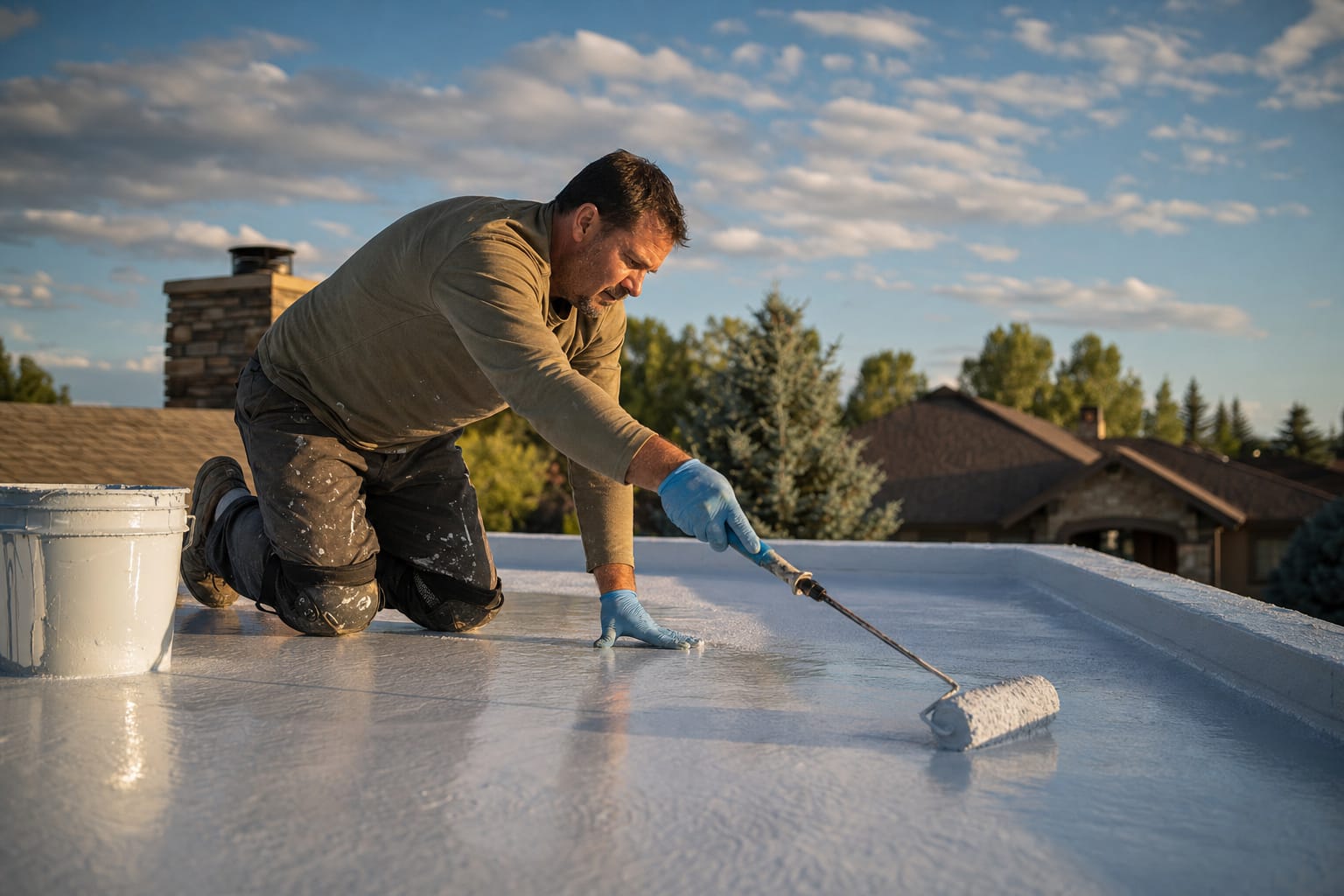
Fig. 01 Elastomeric top coat, rolled on
What a coating does
A seamless, reflective layer over a roof that still has life in it.
An elastomeric roof coating is a thick, flexible liquid applied over an existing low-slope or flat roof. It cures into one continuous membrane that bridges small cracks, seals seams and fastener heads, and sheds water. Light-colored coatings reflect much of the sun’s UV and heat, which eases the daily expansion and contraction that wears a Front Range roof out.
We work with two families of product. Acrylic coatings are water-based, cost less and suit roofs that drain well. Silicone coatings cost more, tolerate standing water far better and hold up to UV without chalking. The inspection decides which one fits your roof, not a sales script.
Coating makes sense when:
- The roof is low-slope or flat, with a sound substrate underneath
- The membrane is aging, chalking or lightly cracked, but not failed
- Ponding water has been corrected, or can be with drains or tapered insulation
- You want more service life without the cost and mess of a tear-off
Coating is the wrong call when:
- Insulation or decking is wet. Sealing moisture in makes the problem worse, not better
- There is structural sag, rot or a deck that flexes underfoot
- The roof is steep asphalt shingle. Shingle products are not designed to be coated, and a worn shingle roof is a repair or replacement conversation
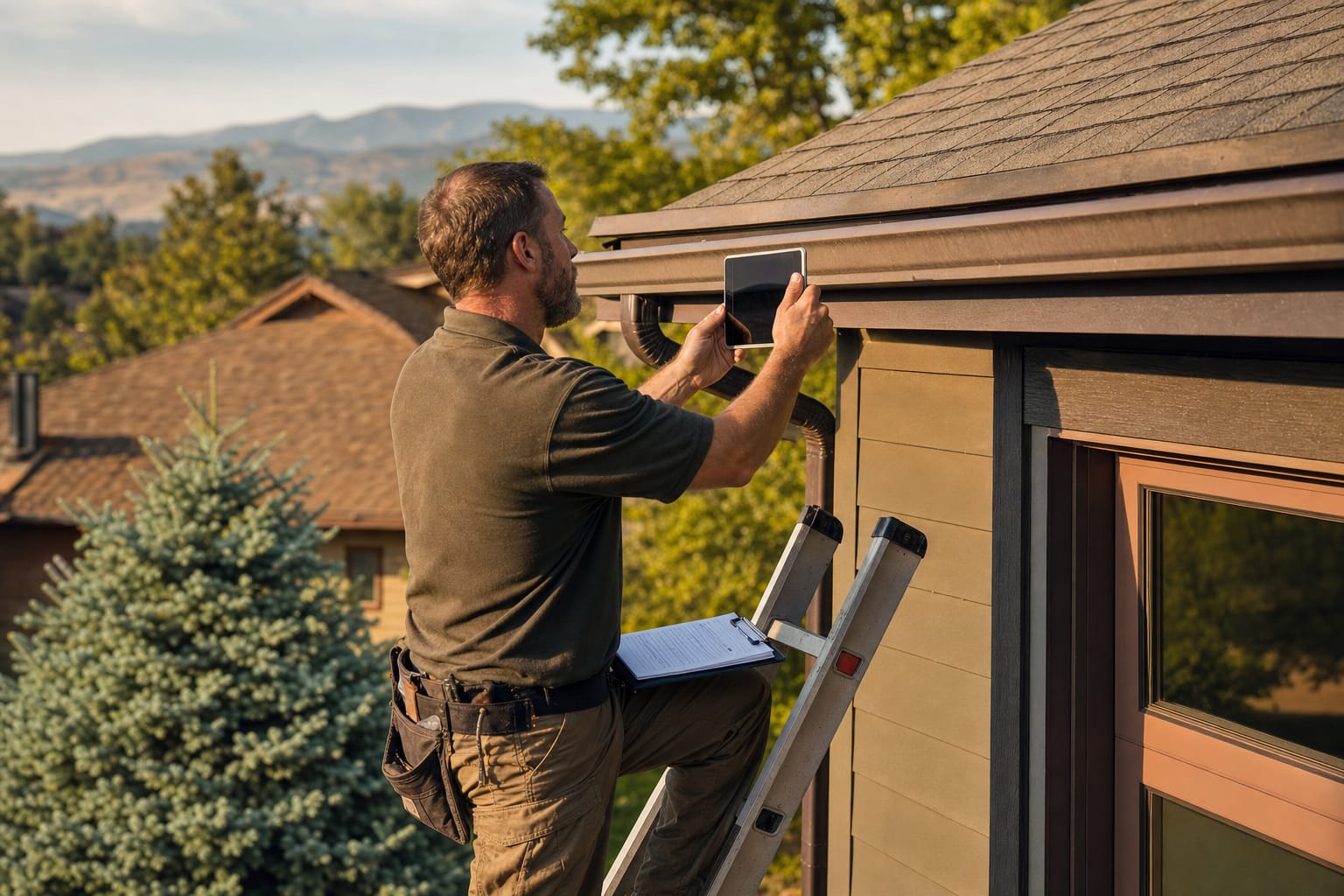
Fig. 02 Substrate and seam check before any coating is quoted
Quick read
Is coating right for my roof?
The most likely candidate. Start with an inspection
Good timing. Coat before it fails, not after
Drainage gets fixed first, then we talk coating
Wet sections come out before anything goes on
Not a coating job. Repair or replace instead
Hail hit a flat or coated roof
Document the damage before deciding anything
How a coating job runs
Inspect, prep, apply, cure. In that order, every time.
01
Inspect and moisture check
We walk the roof, check seams, flashings, drains and penetrations, and probe any soft or suspect area for trapped moisture. Ponding spots get noted and measured.
02
You approve the scope, then prep and repairs
Before any product is ordered, you review a written scope that names the coating, the coverage rate and every repair. Once approved, the roof is cleaned, seams and flashings are repaired, and wet material is replaced.
03
Apply
Primer where the substrate calls for it, reinforcement at seams and details, then base and top coats applied at the thickness the manufacturer specifies. We check the film thickness as we go.
04
Cure and walkthrough
Cure time depends on temperature and humidity, so we schedule around the forecast. When it has cured we walk the roof with you, hand over photos and explain how to keep it clean and drained.
Where we coat roofs
Fort Collins and the towns around it.
Low-slope additions, garages, porches and mid-century flat roofs are common across Northern Colorado. We inspect and coat them from Fort Collins outward.
- Fort CollinsHome base
- Loveland
- Windsor
- Greeley
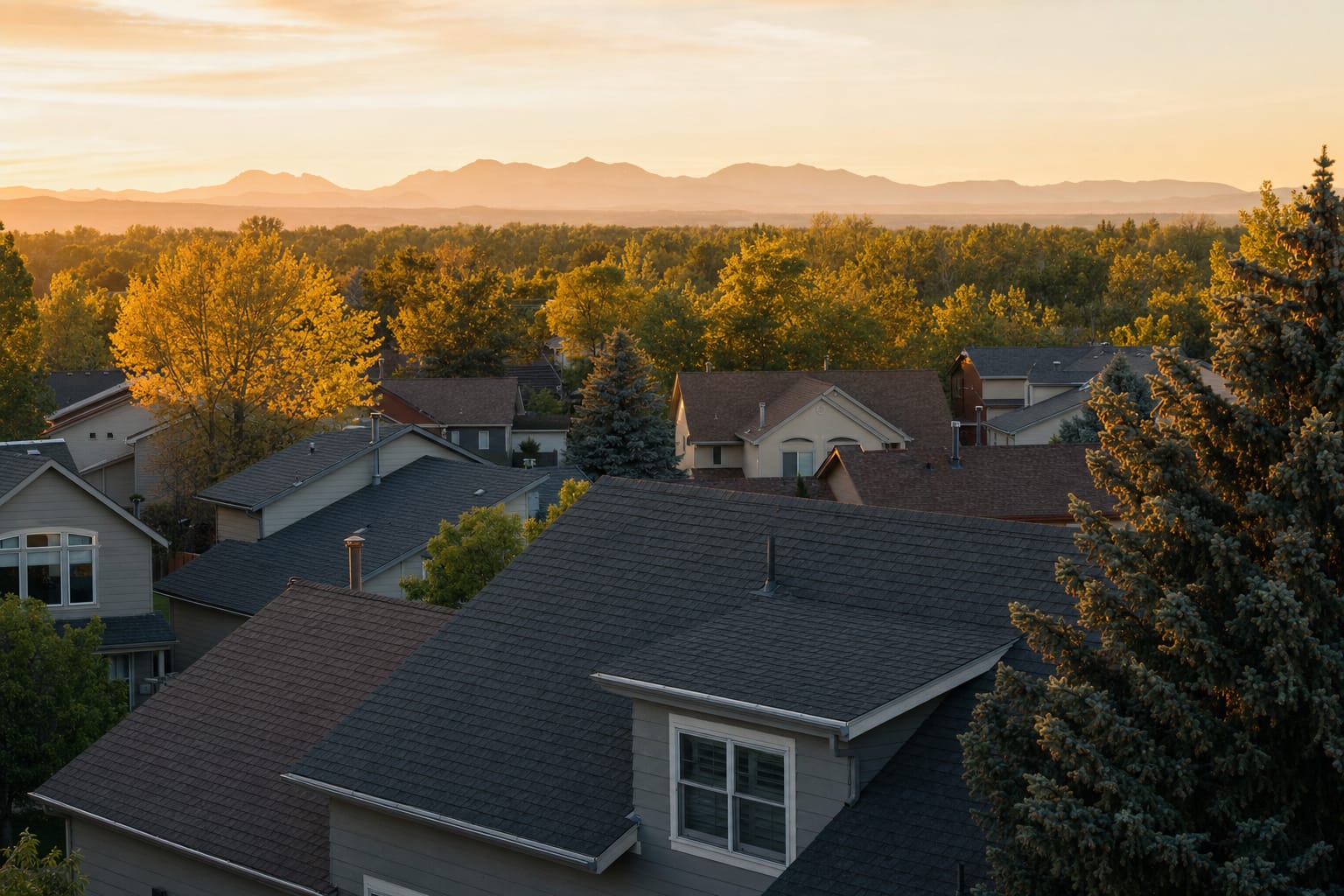
Fig. 03 Mixed pitches across a Fort Collins block
Coating questions
What homeowners ask about roof coatings.
How long does a roof coating last?
It depends on the product, how thick it is applied, how well the roof drains and how much sun it takes. We put the manufacturer’s stated terms in writing with your scope rather than quote a number here.
Can you coat an asphalt shingle roof?
No. Elastomeric coatings are made for low-slope membranes and metal, not steep shingle roofs. A worn or storm-damaged shingle roof is a repair or replacement decision.
Acrylic or silicone, which is better?
Neither wins every time. Acrylic costs less and suits roofs that drain well. Silicone handles standing water and UV better and costs more. We recommend based on what your roof does after a rain.
My roof holds water after it rains. Can it still be coated?
Ponding has to be addressed first, with added drains, tapered insulation or repairs. Silicone tolerates some standing water, but coating over a chronic pond is not a fix.
Will a coating stop my leak?
A coating seals small cracks and seams, but an active leak has to be found and repaired before anything goes on. Coating over wet insulation traps the moisture and shortens the roof’s life.
How long does a coating job take?
Most residential coating jobs run from one day to a few days including prep, depending on roof size, repairs and weather. Cure time depends on temperature and humidity, and you get a schedule with your scope.
Is coating cheaper than a new roof?
Usually, because there is no tear-off, disposal or new deck work. But a coating over a failed roof wastes that money. The inspection tells you which situation you are in.
Can a coated roof be recoated later?
Often, yes. A sound coated roof can usually be cleaned and given a fresh top coat when the surface wears, which is why coating works as ongoing maintenance rather than a one-time fix.
Free inspection
Coat it or replace it? Let’s find out before you spend anything.
Send the form and we will call to schedule a free inspection. You get photos, moisture findings and a written recommendation, coat or not. Then you decide.